DataCite Use Cases Around the World: Universidad Nacional de Rosario, Argentina


DataCite use cases around the world: Welcome to our blog series shining a spotlight on how research institutions integrate DataCite infrastructure into their systems and workflows. Join us as we explore real-world examples, best practices, and the impact of the DataCite community.
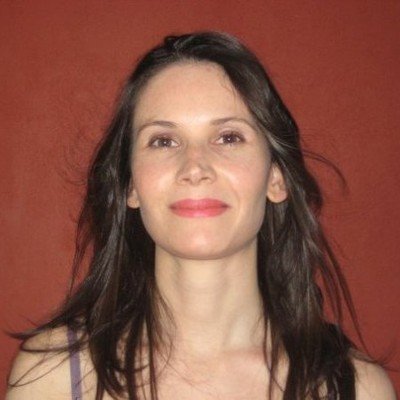
Paola Bongiovani is the Coordinator of the Open Access Management Unit at the National University of Rosario (UNR), Argentina, overseeing the UNR Academic Data Repository (RDA-UNR), the UNR Hypermedia Repository, and the UNR Journals portal. With over 17 years of management experience at her institution and nationally, Paola researches, teaches, and promotes open science in Argentina and the region. In recent years, she has focused on the management and curation of research data.

Arturo Garduño-Magaña:
What were the reasons at your institution for joining DataCite as a member?
Paola Bongiovani:
From the start of implementing the Academic Data Repository (RDA-UNR), we aimed to ensure it adhered to the FAIR data principles, making our researchers’ data easily findable, accessible, interoperable, and reusable. Our goal was to provide researchers and our scientific journals with a high-quality repository meeting international standards. To achieve this, it was essential to use reliable persistent identifiers, like DOIs, which we obtained through our DataCite membership.
Arturo Garduño-Magaña:
How are DataCite services currently used at your institution?
Paola Bongiovani:
We assign DOIs to our researchers’ datasets through the RDA-UNR repository, which uses Dataverse software. We have followed the recommendations of the Make Data Count initiative, allowing us to display metrics for views, downloads, and citations. An example of this is https://doi.org/10.57715/UNR/THC0KS. Additionally, we use Fabrica to register DOIs for our “Data Stories,” which are part of our science communication strategy. These stories help disseminate the published datasets to a broader audience and can be presented as videos or short texts that cite the corresponding dataset.
Arturo Garduño-Magaña:
What were the most important steps in integrating DataCite infrastructure into your systems/workflows?
Paola Bongiovani:
The most important steps in integrating DataCite’s infrastructure into our systems and workflows were:
- Institutional Support: Securing backing from UNR authorities was crucial. We have an Open Access Committee composed of key secretariats that recognize the importance of robust infrastructure based on international standards.
- Consortium Membership: During the planning process of our repository, we joined the Global Dataverse Community Consortium (GDCC) and gained access to DataCite services.
- Installation and Configuration of Dataverse: Our system administrator obtained testing credentials to conduct trials and then configured parameters with production credentials. This process was relatively straightforward.
- Ongoing Training: Staying updated is essential. As a team, we participate in webinars and keep up with the latest developments from DataCite to fully leverage their services, such as learning about changes in the DataCite Metadata Schema.
These steps enabled us to successfully integrate DataCite’s infrastructure into our systems and workflows, improving the management and visibility of our datasets.
Arturo Garduño-Magaña:
What challenges did you face during the implementation and how did you address them?
Paola Bongiovani:
Our main challenge was not technical but rather communicating the value and importance of a solid data repository infrastructure based on PIDs so that our community understands the benefits and ensures sustainability over time.
Another significant challenge, related to the size of the institution with twelve faculties and over 3000 researchers from various fields, was ensuring each academic unit had teams of data curators specialized in thematic areas to connect more directly with their community. To tackle these challenges, we are continuously training our central team of curators and planning training for new curators on best practices in curation.
Arturo Garduño-Magaña:
What kind of outreach, communication, and training did you do for staff and researchers at your organization before, during, and after adopting DataCite services? What worked, what didn't?
Paola Bongiovani:
For outreach, communication, and training at UNR, we conducted several activities:
- Curation Consultations: We started with a group of researchers from different faculties, collaborating with information professionals in what we called "curation consultations." This approach allowed us to train with an expert curator and publish several datasets before launching the service.
- Training: We offer trainings in various faculties, such as the Faculty of Biochemical and Pharmaceutical Sciences and the Faculty of Medical Sciences, among others. We also organize "Bring Your Data" workshops and training on Data Management Plans (DMPs).
- Monthly Communications: We send monthly emails to colleagues, faculty, researchers, librarians, and faculty authorities, providing information on services, news, and relevant training sessions.
- Personalized Content: Creating personalized content has been very effective. We prepare short videos as promotional materials for published research data, which we add to YouTube with their DOI and the “Data Stories” webpage. We also share these on LinkedIn, Instagram, the Cabinet Coordination account on X, the UNR website, and through the repository's institutional email. Statistics show high viewership, indicating that our outreach is meeting our expectations. This was made possible through funding from the DataCite Global Access Fund (GAF).
Through these efforts, we are making progress in the adoption and use of DataCite services at our university.
Arturo Garduño-Magaña:
What impact has DataCite adoption had internally?
Paola Bongiovani:
The adoption of PIDs through DataCite has had a very positive impact at the National University of Rosario (UNR). It has increased the visibility of our data and research, making them more accessible and citable internationally. This greater visibility benefits not only individual researchers but also their academic units and the university as a whole. Additionally, we have been able to offer our researchers new value-added services, such as short videos promoting published research data, contributing to broader dissemination and reach of their work.
Arturo Garduño-Magaña:
What advice do you have for other institutions planning to adopt DataCite infrastructure?
Paola Bongiovani:
Consider joining consortia in your country, region, or based on the use of software to facilitate access to DataCite services and other valuable resources. Building and strengthening networks with other institutions already using DataCite also offers opportunities to exchange experiences and solutions.
First, it is essential to thoroughly understand the benefits DataCite services can offer your community. Then, develop effective strategies to communicate these benefits at all levels of your institution, starting with the authorities. This will help gain the necessary support and motivate researchers.
Investing in team training is a priority. Offer and leverage workshops and training courses. We recommend participating in webinars and staying informed about the latest DataCite developments. Implement value-added services like those mentioned above. Additionally, it’s important to evaluate the usage and impact of DataCite services, for example, through studies within your community. Let’s get started!
Files
10.5438_s7c0-y897.pdf
Files
(126.1 kB)
| Name | Size | Download all |
|---|---|---|
|
md5:d6d0db0c0737acfc7f809e5e3de247fe
|
126.1 kB | Preview Download |
Additional details
Description
DataCite use cases around the world: Welcome to our blog series shining a spotlight on how research institutions integrate DataCite infrastructure into their systems and workflows.
Identifiers
- GUID
- https://datacite.org/?p=10920
- URL
- https://datacite.org/blog/datacite-use-cases-around-the-world-universidad-nacional-de-rosario-argentina/
Dates
- Issued
-
2024-08-06T00:00:00Z
- Updated
-
2024-08-07T14:54:12Z