Advancing Research Sharing Through DataCite's Global Access Fund: INFLIBNET Centre, India
Creators & Contributors

Indian researchers and institutions are increasingly embracing Open Science, recognizing its value in enhancing collaboration and reproducibility. However, many still hesitate to share their work openly due to challenges such as limited awareness of open research benefits, insufficient institutional support, and inadequate infrastructure. Key barriers include the absence of Research Data Management policies, insufficient training on data sharing and metadata management, and a lack of robust repositories. Without clear guidelines and technological support, researchers struggle to manage and disseminate their data effectively, slowing the broader adoption of Open Science in India.
Outreach efforts supported by the DataCite Global Access Fund (GAF) have played a key role in bridging these gaps, spreading awareness about Open Science, the significance of research data, and the value of PIDs. Through such efforts, a culture of openness has been fostered among Indian researchers, encouraging them to embrace Open Science principles and improve the visibility and impact of their research within the global scientific community.
Information and Library Network (INFLIBNET) Centre
The INFLIBNET Centre, a premier institution under the Ministry of Education, Government of India, is at the forefront of advancing Open Science in India. Its flagship initiative, the National Research Data Repository (NRDR), is a transformative platform designed to collect, curate, and disseminate research data generated across Indian higher education institutions. Currently in a pilot phase, NRDR will align with global Open Data practices and the FAIR Principles, ensuring that Indian research datasets are discoverable and accessible for academic and societal advancement. Through NRDR, the INFLIBNET Centre will empower researchers, promote transparency, and contribute to India’s commitment to global scientific collaboration. The INFLIBNET Centre has also developed a model data access policy as part of the NRDR initiative.
The INFLIBNET Centre received a grant under DataCite’s GAF Outreach category to support their proposed outreach initiative. The project aimed to build awareness, capacity, and a sustainable community around adopting PIDs in India. Through strategic webinars, regional programs, and capacity-building initiatives, the INFLIBNET Centre successfully laid the groundwork for an empowered and interconnected research community, committed to Open Science and global visibility. Details of the project funded by the DataCite GAF can be found on the INFLIBNET website.
Project Timeline and Deliverables
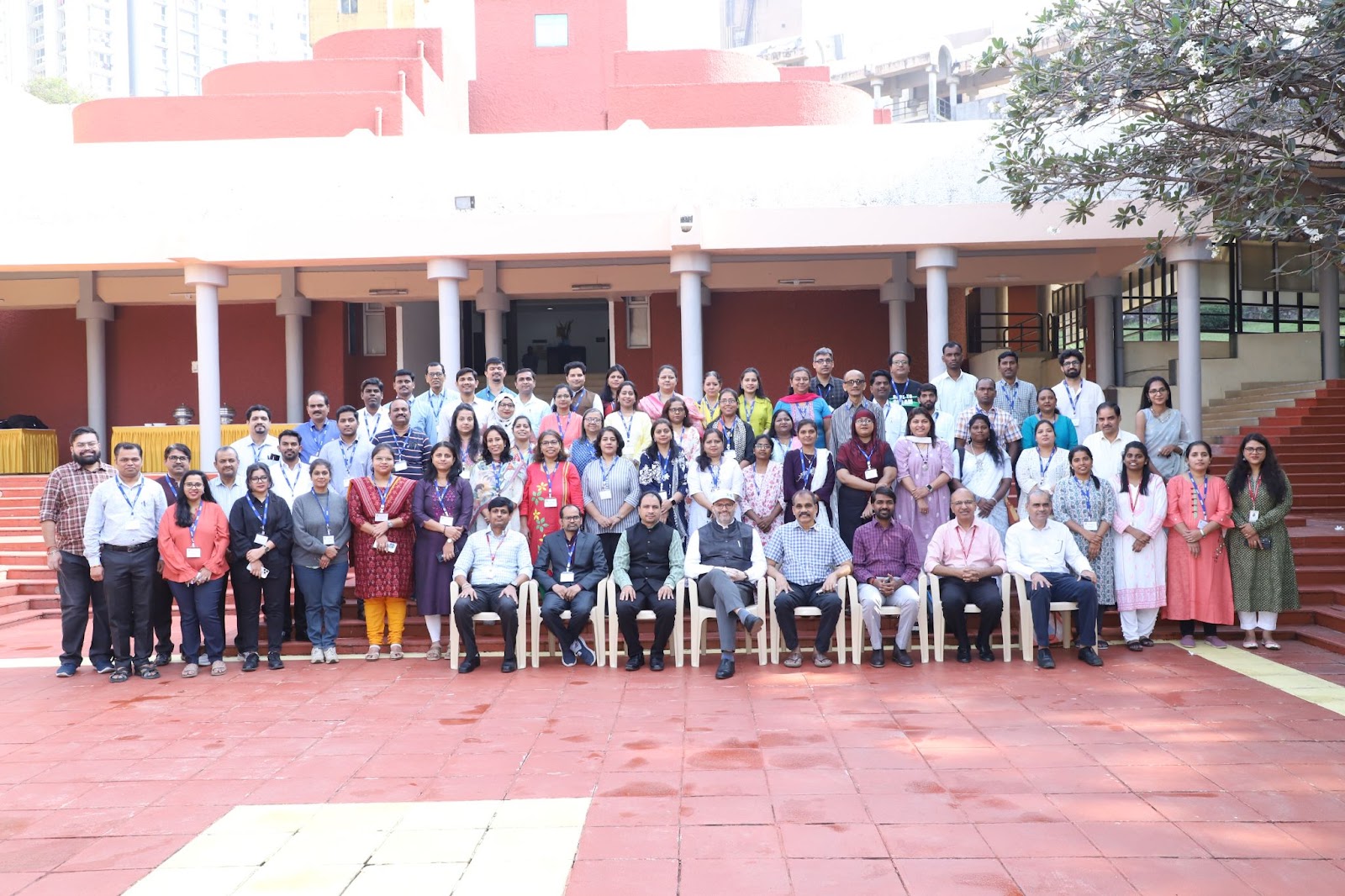
The project spanned from 01 January to 31 December 2024, during which the INFLIBNET Centre undertook an important series of outreach activities. These included six webinars, six one-day regional collaborative training programmes in all six regions, and one in-person train-the-trainer programme.
Webinars: Focused on the importance of research data management, PIDs, and leveraging open data for academic growth, the webinars welcomed 1011 attendees from 987 institutions and covered the following topics:
- Unleashing the Potential of Open Research Data Management
- Driving Discoveries Through Strategic Research Data Management
- Elevating Research Through Effective Data Management Strategies
- Optimizing Research Outcomes Through Effective Data Management Approaches
- Mastering Data Management Plans: Ensuring Accessibility, Reusability, and Data Persistence
- Enhancing Research with Open Data: Significance of Data Citation, Metadata Standards, and Data Management Plans
Train-the-Trainer Programme: Designed to empower faculty members, researchers, and librarians to cascade knowledge on research data management practices, this in-person training programme was offered to a select group of participants from 27 different institutions to help build capacity and enhance Open Science initiatives across the region.
Regional Programmes: Conducted across various regions to engage local stakeholders and inculcate a deeper understanding of the Open Science ecosystem, research data management, and DataCite's tools and services, programmes reached 450 participants at the following institutions:
Indian Institute of Science Education and Research Bhopal, Madhya Pradesh; Central University of Tamil Nadu, Thiruvarur, Tamil Nadu; Indian Institute of Technology Bhubaneswar, Odisha; Indira Gandhi Institute of Development Research, Mumbai, Maharashtra; Jamia Millia Islamia; Gauhati University, Guwahati.

Outcomes of the Project
The successful execution of this project has resulted in:
- Enhanced Awareness: Reaching hundreds of researchers, librarians, and educators across the country.
- Capacity Building: Trained professionals now serve as ambassadors for open research and data sharing within their institutions.
- Strengthened Collaboration: Establishing new partnerships and networks between Indian institutions and global initiatives such as DataCite.
The DataCite GAF grant played a pivotal role in addressing these challenges, enabling the INFLIBNET Centre to realize activities aimed at building awareness, capacity, and a sustainable community around the adoption of PIDs and Open Science practices in India. The project has successfully laid the groundwork for an empowered and interconnected research community, strengthening collaboration among Indian institutions and with global initiatives such as DataCite. The trained professionals now serve as ambassadors for open research and data sharing within their institutions, promoting a culture of openness and transparency. The INFLIBNET Centre remains committed to promoting a culture of Open Science and research transparency in India. Looking ahead, this partnership between the INFLIBNET Centre and DataCite lays a strong foundation for future initiatives that promote data equity and accessibility at a global scale.
You can explore the range of multilingual resources, recorded webinars, and activities provided by DataCite support through this link.
Additional details
Description
Indian researchers and institutions are increasingly embracing Open Science, recognizing its value in enhancing collaboration and reproducibility. However, many still hesitate to share their work openly due to challenges such as limited awareness of open research benefits, insufficient institutional support, and inadequate infrastructure.
Identifiers
- UUID
- 90ebbd2a-4de7-464e-90e9-ed7c8be15dbb
- GUID
- https://datacite.org/?p=12392
- URL
- https://datacite.org/blog/advancing-research-sharing-through-datacites-global-access-fund-inflibnet-centre-india/
Dates
- Issued
-
2025-03-06T07:51:39
- Updated
-
2025-03-06T16:17:48